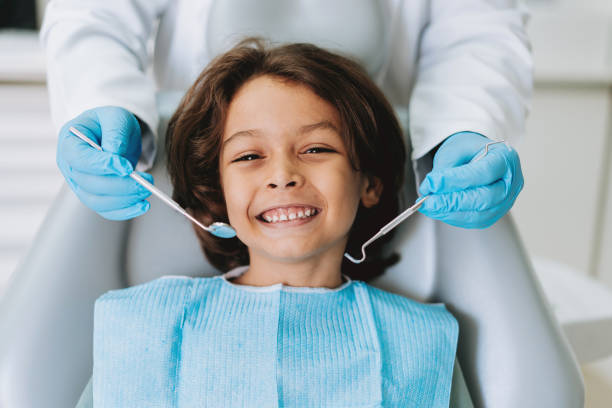
Phase 1 orthodontics treats a specific bite or jaw problem while a child is still growing and has a mix of baby and permanent teeth. Phase 2 is comprehensive treatment, usually braces or clear aligners, that aligns the teeth and finishes the bite once most permanent teeth have come in. Two-phase treatment is a strategy for selected children, not a standard path every child follows. Many kids need only one phase and some need no treatment at all.
Parents in Lancaster, Ephrata and Lititz are often surprised when a dentist suggests an orthodontic evaluation for a child who doesn’t seem to need braces yet. That visit is about timing, not a commitment to treatment. Understanding Phase 1 vs Phase 2 orthodontics helps make sense of that recommendation. This guide explains what each phase means, when each one typically begins, what happens between them, how an orthodontist decides which path fits your child and when it makes sense to schedule an evaluation. With that background, you can approach orthodontic care for children in Lancaster with clear expectations.
What Is the Difference Between Phase 1 and Phase 2 Orthodontics?
Phase 1 addresses a defined developmental problem during the years when baby and permanent teeth are present together. Phase 2 aligns the full set of permanent teeth and refines how the upper and lower teeth fit. When each phase happens depends on your child’s dental development and the specific problem, not on age alone.
| Attribute | Phase 1 | Phase 2 |
|---|---|---|
| Purpose | Correct or limit a specific developmental problem | Align all permanent teeth and finish the bite |
| Typical Developmental Stage | Mixed dentition (baby and permanent teeth together) | Most or all permanent teeth erupted |
| Common Approaches | Expanders, limited braces, space maintainers, selected functional appliances | Full braces or clear aligners |
| Expected Outcome | A healthier starting point for continued growth | Final tooth positions and a stable, functional bite |
Phase 1 Orthodontics Focuses on Early Bite and Jaw Development
Phase 1 is also called interceptive orthodontic treatment because it intercepts a problem while the jaws are still developing. Examples include correcting a crossbite, reducing severely protruding front teeth and managing space so permanent teeth have room to erupt. The goal is to address one defined issue, not to straighten every tooth. A child can finish Phase 1 with some crooked teeth and still have had a successful result.
Phase 2 Orthodontics Focuses on Comprehensive Tooth Alignment
Phase 2 typically begins when most or all permanent teeth have erupted. This is full orthodontic treatment: positioning each tooth, coordinating the upper and lower arches and finishing the bite so the teeth meet evenly. Braces and clear aligners are the main options, and the right choice depends on the complexity of the case and the patient’s ability to follow treatment instructions.
Why Some Children Need Both Phases and Others Need Only One
Some children have a problem that benefits from early correction and later need comprehensive treatment to finish the job. Others have concerns that can safely wait for a single comprehensive phase in the preteen or teen years. Receiving Phase 1 does not automatically mean a child will need Phase 2. The orthodontist reassesses after early treatment, once more permanent teeth are in.
When Does Phase 1 Orthodontic Treatment Usually Begin?
Phase 1 begins only when an orthodontist finds a problem that benefits from early correction, often between about ages 6 and 10. The first evaluation usually comes before any treatment decision. Seeing an orthodontist early means a problem can be identified early. It does not mean treatment starts that day.
Why Orthodontists Recommend an Evaluation by Age Seven
The American Association of Orthodontists recommends a first orthodontic check-up no later than age 7 and sooner if a parent notices something that looks off. By this age, the first permanent molars and front incisors have usually begun to erupt, and they reveal a lot about how the bite is developing. To learn more about the visit itself, see what happens at an early orthodontic evaluation.
How Mixed Dentition Influences Treatment Timing
Mixed dentition is the stage when primary (baby) and permanent teeth are present together, roughly ages 6 to 12. During this window, the orthodontist looks at which teeth have erupted, which baby teeth remain, how much space is available in each arch and how the jaws are growing relative to each other. Each of these factors affects whether early treatment would help. Our guide to mixed dentition and orthodontic development explains this stage in more detail.
Why Some Children Are Monitored Instead of Treated Immediately
Many evaluations end with a plan to watch, not treat. The orthodontist may schedule periodic visits to track growth and tooth eruption and recommend treatment only if a problem develops or becomes clearer. Spotting a concern early and treating it early are separate clinical decisions. Monitoring is an active part of care, not a delay.
What Problems Can Phase 1 Orthodontics Address?
Phase 1 is used for specific problems where timing matters, usually because growth can be guided more easily now or because waiting carries a risk. The orthodontist’s question is what needs correcting and whether correcting it now offers a real advantage.
Crossbites and Functional Jaw Shifts
A crossbite occurs when some upper teeth sit inside or behind the lower teeth instead of slightly outside and in front of them. In some back-tooth crossbites, a child shifts the lower jaw to one side to bite together comfortably. Because that shift can influence how the jaw develops, an orthodontist may recommend early crossbite treatment in selected cases.
Severe Overjet and Protruding Front Teeth
Overjet is the horizontal distance the upper front teeth extend past the lower front teeth. When an overjet is large, the protruding teeth are more likely to be injured in a fall or during sports. Early treatment may be considered in selected cases to lower that risk, though comprehensive timing still varies. It helps to understand the difference between overbite and overjet, since the two terms are often confused.
Dental Crowding and Problems With Available Space
Crowding happens when the teeth need more room than the jaw provides. It depends on arch length, tooth size and the path each permanent tooth takes as it erupts. Mild crowding is often simply monitored. Other cases call for space management or, where clinically appropriate, expansion. Crowded teeth do not automatically mean a child needs an expander.
Jaw Growth and Developing Bite Relationships
How the upper and lower jaws grow relative to each other shapes orthodontic planning. In a Class II pattern, the lower teeth and jaw sit farther back than the upper, and our article on Class II bite problems explains how this develops. In a Class III pattern, the lower jaw or lower teeth sit forward, often seen as an underbite in children. Some of these patterns respond to early guidance while growth is active.
Early Tooth Loss and Eruption Problems
Baby teeth hold space for the permanent teeth developing beneath them. When a baby tooth is lost too early from decay or injury, neighboring teeth can sometimes drift into the gap and block the permanent tooth’s path. In these cases, space maintainers for kids may be recommended to keep that room open.
What Happens During Phase 1 Orthodontic Treatment?
Phase 1 follows a clinical process: diagnosis, a targeted treatment plan, active treatment and reassessment. Plans vary widely because each one is built around a specific problem.
Initial Orthodontic Examination and Diagnostic Records
The orthodontist examines the bite, jaw relationships and dental development. Records may include photographs, digital scans and radiographs (X-rays) when clinically indicated. These records help pinpoint the problem and show whether intervention is justified now or whether monitoring is the better choice.
Braces, Expanders and Other Early Orthodontic Appliances
Phase 1 appliances are chosen for the job they perform. Limited braces may correct the position of a few front teeth. Palatal expanders for children widen a narrow upper jaw. In selected Class II cases, functional appliances such as the Herbst and Twin Block may be used to guide jaw position during growth. These appliances are not interchangeable, and each one suits a particular diagnosis.
How Long Phase 1 Treatment May Last
Duration depends on the problem, the appliance, how consistently a child follows instructions and how the teeth and jaws respond. As a general illustration, Phase 1 may last anywhere from several months to roughly 12–18 months. Your child’s orthodontist can give a more specific estimate once the plan is set.
What Happens When Phase 1 Is Completed
At the end of active treatment, the orthodontist reassesses the result and removes appliances when appropriate. A retainer or other maintenance appliance may follow. Because many permanent teeth are still on the way at this point, growth monitoring continues.
What Happens Between Phase 1 and Phase 2 Orthodontics?
The time between phases is an active observation period. The orthodontist tracks how the remaining permanent teeth erupt and whether the Phase 1 correction holds as your child grows.
Monitoring Permanent Teeth as They Erupt
During this period, the permanent canines, premolars and second molars come in, and the bite can change as they do. Periodic visits let the orthodontist catch eruption problems, check on space and see how the jaws are developing. This is also when it becomes clearer whether further treatment will be needed.
Retainers and Maintaining Early Treatment Results
Depending on what Phase 1 corrected, the orthodontist may recommend a retainer or another appliance to help maintain the result. The type of retainer and how long it is worn differ from child to child. Following those instructions protects the progress made during early treatment.
Determining Whether Comprehensive Treatment Is Still Needed
Once most permanent teeth have erupted, the orthodontist evaluates alignment, bite function and growth again. Some children need full comprehensive treatment, some need a shorter or less involved second phase and some need no further treatment. Phase 1 does not guarantee a child will avoid braces later.
When Does Phase 2 Orthodontic Treatment Begin?
Phase 2 is planned around permanent tooth development and each child’s needs, so there is no single starting age. It usually begins in the preteen or early teen years, once enough permanent teeth are in place to align the full set.
Permanent Tooth Eruption and Comprehensive Treatment Readiness
Comprehensive treatment works best when the orthodontist can position the permanent teeth together. If key teeth haven’t erupted yet, or a baby tooth is still holding space, the orthodontist may wait. Starting once the teeth are ready lets treatment address the full set at once.
Braces and Clear Aligners During Phase 2
Braces are attached to the teeth and give the orthodontist continuous control, which helps in complex cases. Clear aligners are removable and less visible, but they only work when worn as directed, usually most of the day. The orthodontist will recommend the option that suits the bite problem and the patient’s habits. If you’re weighing aligners, it helps to understand how clear aligners work.
Correcting the Final Bite and Tooth Positions
Phase 2 is where the details come together. The orthodontist aligns each tooth, sets healthy overjet and overbite (how far the upper front teeth overlap the lower ones vertically) and refines intercuspation, which means how the cusps of the upper and lower back teeth fit together. The goal is a bite that looks straight, functions well and stays stable.
Retention After Comprehensive Orthodontic Treatment
Teeth can shift after braces or aligners come off, especially in the first months. Retainers help hold the teeth in their new positions while the surrounding bone and gums adapt. Wearing them as prescribed and following these tips for caring for a retainer help protect the results of treatment.
Is Two-Phase Orthodontic Treatment Better Than Waiting for Braces?
Two-phase treatment is not automatically better than a single comprehensive phase. It can be the right choice when a specific problem benefits from early correction, but it adds little when the concern can safely wait.
Situations Where Early Intervention May Offer an Advantage
Early orthodontic treatment may help with selected crossbites that cause the jaw to shift, protruding front teeth at higher risk of injury, eruption problems that could trap permanent teeth and certain jaw-growth patterns. In these cases, using active growth can make correction simpler. Any benefit depends on an accurate diagnosis and well-chosen timing.
When One Phase of Comprehensive Treatment May Be Enough
Children with mild crowding, small spacing concerns or uncomplicated alignment issues often do well waiting until most permanent teeth are in. For these children, a single course of braces or aligners in the preteen or teen years can address everything at once.
Why Early Treatment Does Not Always Shorten Total Treatment Time
Two-phase treatment involves two separate periods of active treatment with monitoring in between, so the overall timeline can be longer. Early treatment can make later treatment simpler for some children, but it cannot reliably prevent extractions, jaw surgery or future braces in every case.
How Do Lancaster Orthodontists Decide Whether a Child Needs Phase 1 or Phase 2?
The decision comes from a careful evaluation of your child’s teeth, jaws and growth, followed by a conversation with you about timing and options. Families can be seen at our Lancaster offices or at our East Main Street office in Ephrata. For families in Lititz and northern Lancaster County, our Lancaster locations are a short drive away.
Reviewing Bite Development, Jaw Growth and Tooth Eruption
During a consultation, the orthodontist looks at how the teeth meet, how the jaws relate to each other, how many permanent teeth have erupted and whether there is enough room for those still coming in. Together, these findings show whether there is a problem, whether it needs attention now and what can wait.
Discussing Treatment Timing With Parents
A good consultation covers the diagnosis, the treatment alternatives, the expected benefits, the limitations and the likelihood of future treatment. If monitoring is recommended, you should know what the orthodontist is watching for and when the next visit will be. You should leave with a clear picture of why a particular plan is being recommended.
Coordinating Pediatric Dentistry and Orthodontic Care
Regular checkups with your child’s dentist often catch early signs of bite problems, crowding or premature tooth loss. Because smilebuilderz offers pediatric dentistry and orthodontic care within the same practice, your child’s dental and orthodontic care can be coordinated as they grow, so you don’t have to start over with separate providers.
Frequently Asked Questions About Phase 1 and Phase 2 Orthodontics
Does Every Child Need Phase 1 Orthodontics?
No. Early treatment is recommended only when a specific condition is likely to benefit from intervention before comprehensive orthodontics. Many children are simply monitored until their permanent teeth are ready for a single phase of treatment, if they need treatment at all.
Can a Child Skip Phase 1 and Go Straight to Phase 2?
Yes, many children can. If an evaluation finds no problem that benefits from early correction, one comprehensive course of treatment later on may be all that is needed. The decision depends on your child’s diagnosis.
What Age Is Best for Phase 1 Orthodontics?
There is no single best age, because timing depends on dental development and the problem being treated. Most Phase 1 treatment happens during mixed dentition, often between about ages 6 and 10. An evaluation by age 7 helps the orthodontist decide whether early treatment is appropriate and when it should start.
Will My Child Still Need Braces After Phase 1?
Some children do. Others need only monitoring or a shorter, less involved second phase. The orthodontist makes that call after most permanent teeth have erupted, based on alignment, bite and growth at that point.
Is Phase 1 Orthodontics Painful?
Phase 1 is usually not painful, though temporary pressure or soreness is common for a few days after an appliance is placed or adjusted. Soft foods and any comfort measures your child’s orthodontist recommends usually help. Most children adjust quickly.
Is Two-Phase Orthodontic Treatment More Expensive?
It can be, since two phases may involve separate appliances and treatment periods. Costs vary with the complexity of the case, the appliances chosen and whether a second phase is needed at all. Your orthodontist can explain the expected costs for your child’s plan, and our insurance and financing options may help make treatment more manageable.
How Long Is the Break Between Phase 1 and Phase 2?
The break varies from child to child because it depends on growth and on when the remaining permanent teeth erupt. The orthodontist bases the timing on your child’s development, not on a set schedule. Periodic check-ins during this time help the orthodontist plan the next step.
Can Phase 1 Orthodontics Prevent Jaw Surgery?
Not reliably. Early treatment may help with certain developing jaw-growth problems, but significant skeletal differences can continue to develop as a child grows. In some cases, surgery may still be recommended after growth is complete.
Schedule a Children’s Orthodontic Evaluation With smilebuilderz in Lancaster, PA
You don’t have to decide on your own whether your child needs Phase 1, Phase 2 or neither. A professional evaluation can show whether treatment is needed now, later or not at all, and why. If your child is around age 7, or you’ve noticed a crossbite, protruding front teeth, crowding or early tooth loss, schedule an orthodontic evaluation with our team in Lancaster or Ephrata.
